
Why We Chose Recycled Nylon for the Sanctum Laptop Sleeve
A laptop sleeve is something you handle almost every day. You slide your laptop into it, tuck it into a backpack, and set it on a desk when you arrive.
The way it feels in your hands matters, just as much as how it looks.
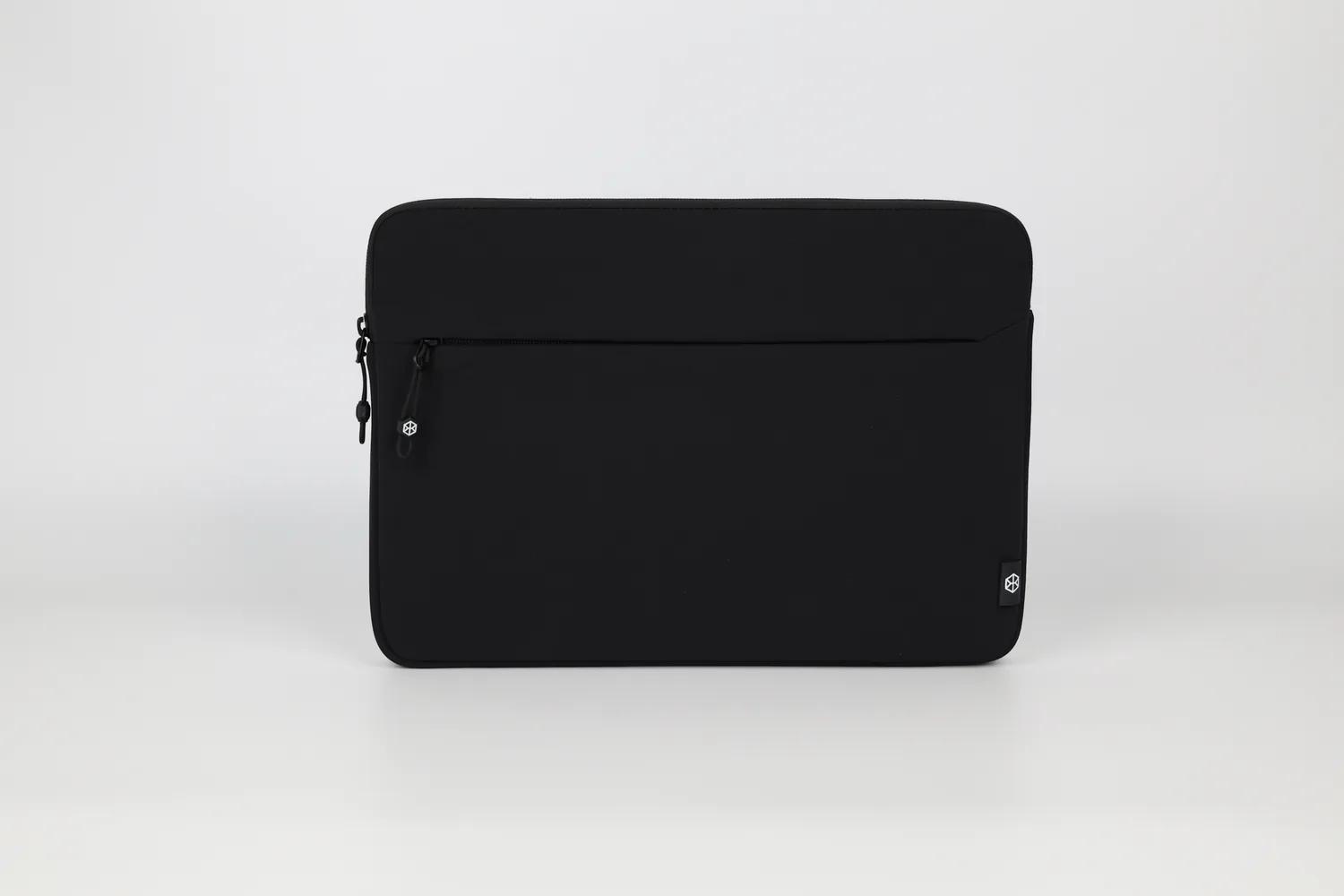
When developing the KURANEST Sanctum Laptop Sleeve, we wanted a fabric with a refined texture and a soft, secure feel in the hand. It also needed to meet our expectations for everyday durability, while allowing us to incorporate recycled materials.
Finding the right fabric took more exploration than we expected.
Finding the Right Fabric
Our search began with three non-negotiables: a fine, tactile surface, durability for everyday handling, and the ability to use recycled content.
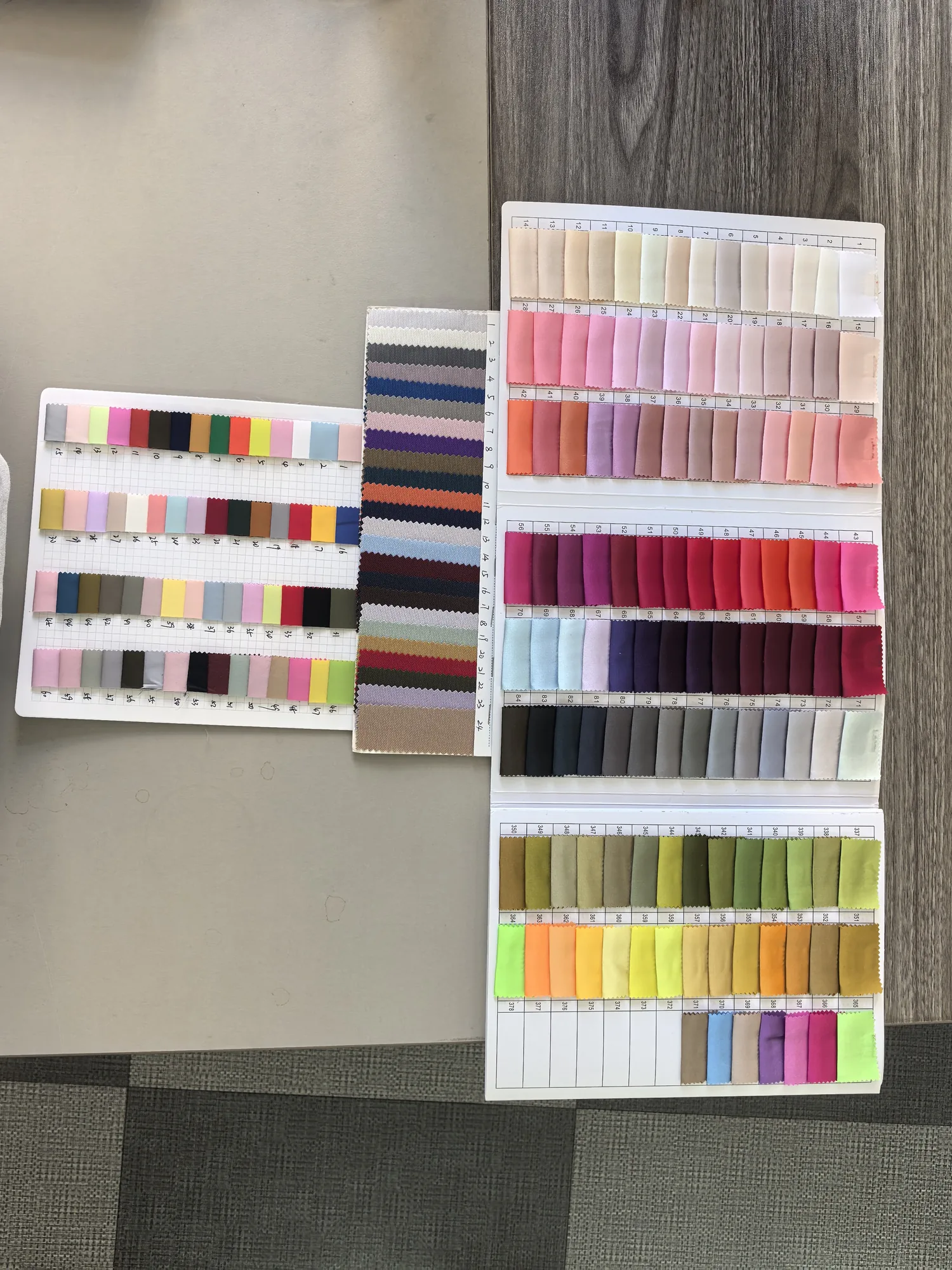
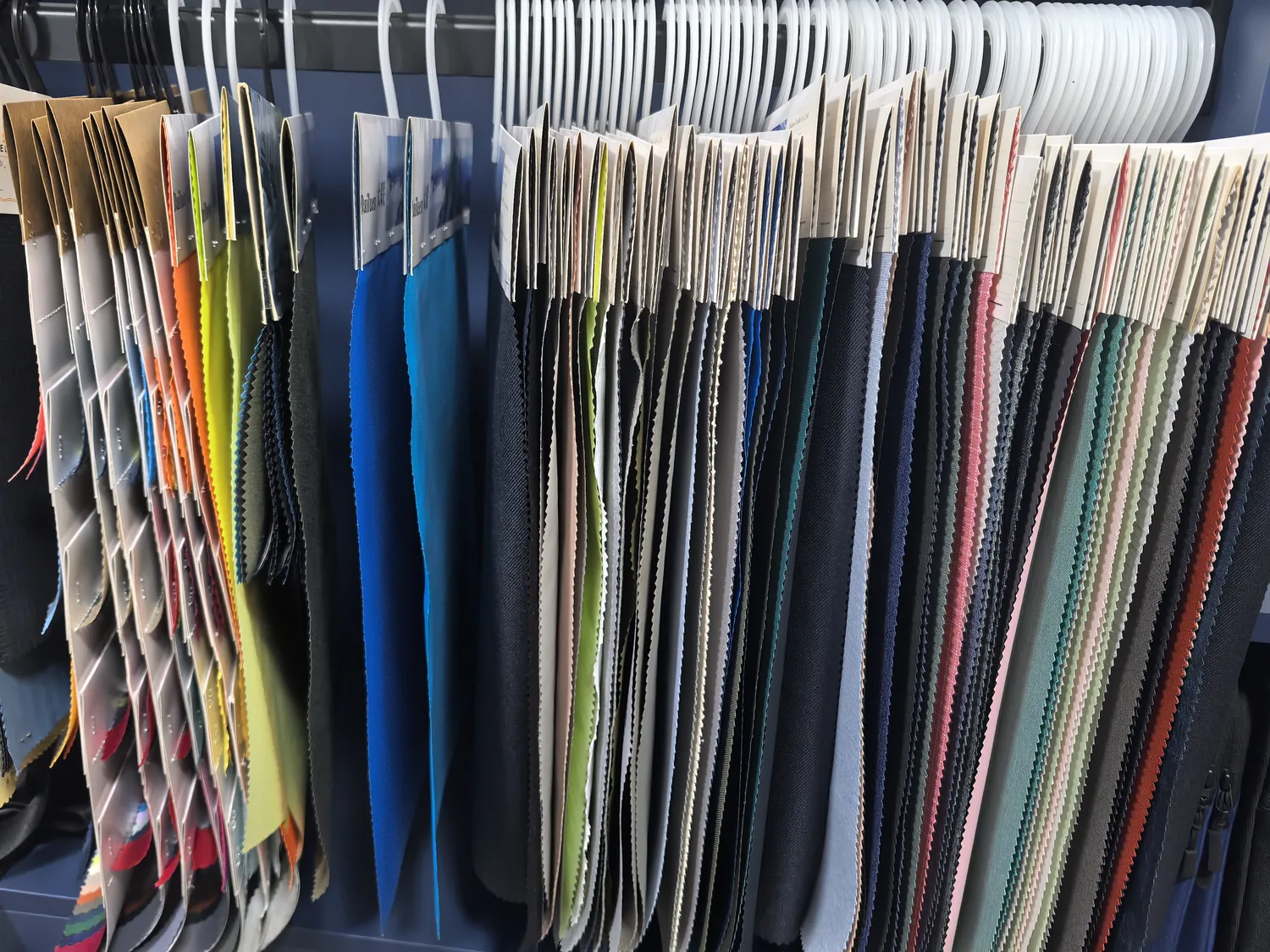
We explored dozens of fabric samples, including conventional polyester fabrics and constructions laminated with EVA.
Some felt too plastic-like. Others creased too easily or lacked the subtle surface texture we wanted.
These observations were specific to the samples we examined, rather than limitations of polyester or EVA materials in general.
We kept looking.
Eventually, we found a promising fabric among materials used in technical outdoor apparel: a recycled nylon knit with a fine texture and a slight amount of stretch.
The surface felt soft with just the right amount of grip. It had a subtle texture that added visual depth without a prominent pattern, and enough flexibility to feel comfortable in the hand.
It was much closer to what we had been looking for.
What Is Sanctum's Outer Fabric Made Of?
Sanctum's outer fabric is a knitted blend of 88% recycled nylon and 12% elastane (spandex).
Recycled Nylon: A Familiar Fiber from Recovered Materials
Nylon, also known as polyamide, is a synthetic fiber widely used in clothing, bags, and technical textiles.
Recycled nylon is produced using recovered nylon materials rather than relying entirely on newly produced raw materials.
It is still nylon. Its texture, flexibility, and durability depend on more than its recycled content. Yarn construction, fabric structure, and finishing all influence the final result.
For Sanctum, recycled nylon allowed us to incorporate recycled material into the visible outer fabric while achieving the texture and tactile feel we wanted.
The 88% recycled nylon content refers specifically to the outer knit, not to the complete laminated fabric or the entire laptop sleeve.
Elastane and Knitted Construction
Elastane is an elastic fiber that helps fabrics stretch and recover.
Combined with the knitted construction, the 12% elastane contributes to the outer fabric's slight stretch and flexibility.
We wanted something soft and adaptable rather than excessively rigid, with a surface that felt comfortable to hold.
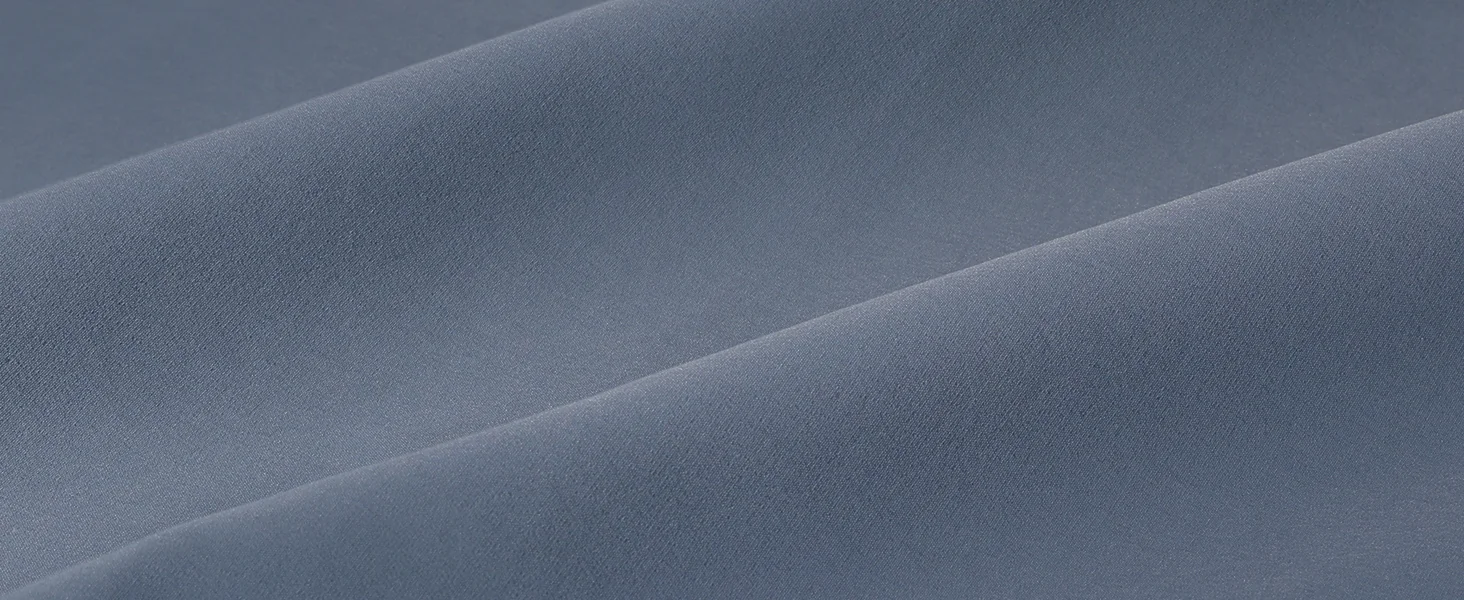
The knit also creates a fine, understated texture that becomes more apparent when viewed up close.
Why the Polyester Backing Matters
The recycled nylon outer knit is only one part of Sanctum's fabric construction.
Its reverse side is laminated to a backing fabric made from 100% polyester.
The backing helps improve shape recovery and structural stability in the combined material.
The outer knit provides the texture and flexibility we wanted. The polyester backing helps the laminated fabric maintain a more consistent form.
Although the polyester outer fabrics we initially considered didn't meet our design preferences, polyester proved useful in a different role — as the backing material.
The completed laminated fabric weighs approximately 230 g/m², including the combined layers.
Texture, Flexibility, and Everyday Use
Specs on a material sheet only tell part of the story — you have to hold a fabric to really know how it feels.
Sanctum's outer material has a fine, understated texture. Its slight stretch allows it to flex naturally, while the laminated backing helps it maintain a more stable overall form.
These were qualities we paid particular attention to during material selection.
Abrasion resistance was another consideration. A fabric's durability depends on its complete construction and how it is used, not simply on whether it contains nylon.
We also wanted the outer fabric to offer water repellency.
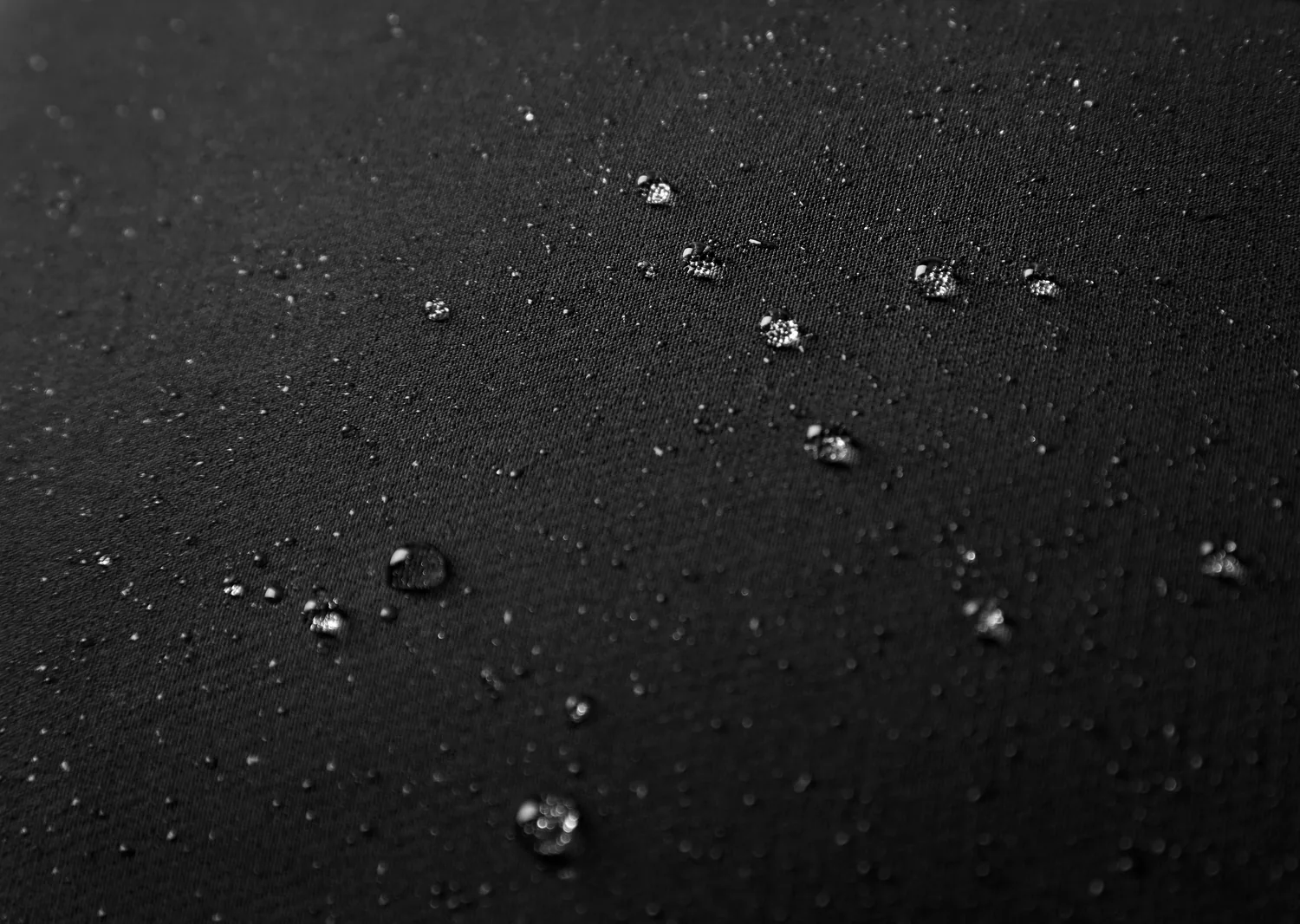
Its water-repellent finish is intended to reduce surface wetting, causing water droplets to bead up and roll off the surface.
However, water repellency is not the same as waterproofing. The water resistance of a finished laptop sleeve also depends on its seams, zipper, and overall construction.
For Sanctum, the goal was to find a material that felt right in everyday use, while meeting the practical needs of the design.
A Material Chosen for Sanctum
Finding the right fabric meant looking beyond the materials we initially considered.
The recycled nylon knit offered the texture and flexibility we wanted. The polyester backing helped provide the structural stability the finished material needed. And the use of recycled nylon reflected another of our original material priorities.
Each decision had a purpose.
Together, they shaped a fabric that feels at home in Sanctum — considered in its details, without calling attention to them.


